Bridger-Teton National Forest
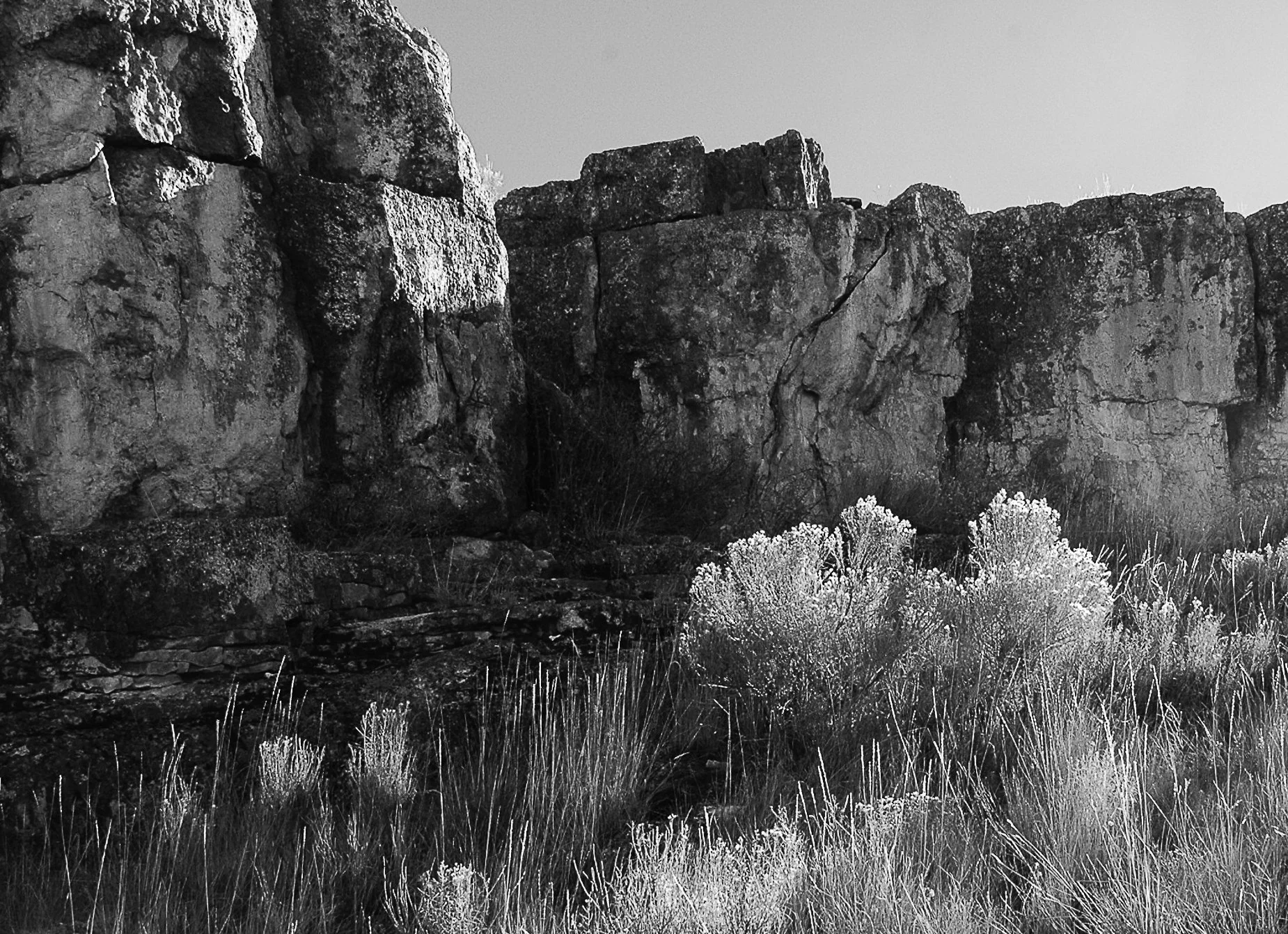
I press my palm to limestone’s rugged face,
a cliff band, former seabed, born half a billion
years before I stand beside it. Geologic time:
intangible as an abstract painting that suggests
a harbor scene, or possibly a teapot.
Two miles high, this stone remembers ocean.
How must it feel, after eons of burial,
to emerge transformed into a world
of dazzling sunlight, snow squalls,
mountain summit winds?
Half a billion: eight zeros skip like stones
along the surface of my mind. How to picture
a time when Earth was wrapped in methane,
plants not yet invented? Yet, what is more manifest
than a wall of rock on an indelible afternoon?
Limestone speaks of the eternal, time replaced,
perhaps erased, solace in this age of climate havoc,
mass extinction, war.
The wild is more than land away from roads.
It lives in limestone, primordial ooze and
crumbling cliff, in spreading crustose lichens,
in alpine bouquets of cinquefoil and sky pilot
waving pungent greetings into the eternal now.
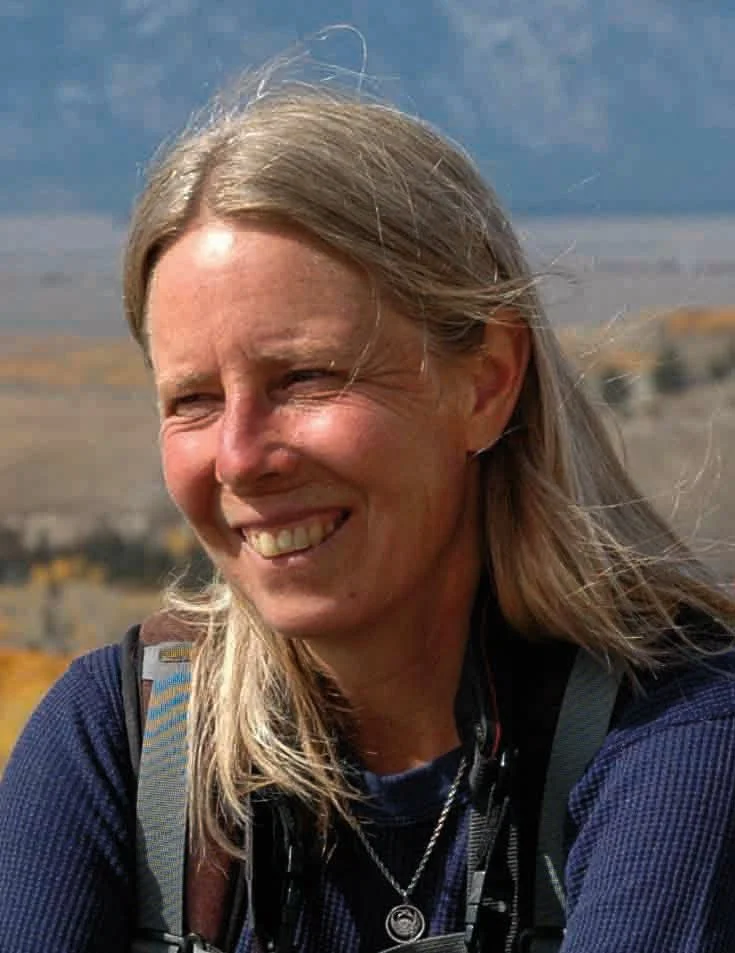
Susan Marsh uses her background in the arts and natural history to create a body of work that explores the relationship of humans to the wild. Her poems have appeared in Clerestory, Manzanita Review, Deep Wild Journal, Dark Matter, Parks and Points, Silver Birch and other journals and anthologies. She has published two chapbooks, This Earth Has Been Too Generous (2022), and Passings, (2025).
Banner image is courtesy the poet.